

Music is the heartbeat of humanity. It carries our stories, our faith, and our shared desire to connect across cultures and borders. Culture is the motherboard of our existence, its presence is felt in every tradition, rhythm, and story, even when we don’t always notice it. Just as a motherboard in a computer connects and coordinates all of its components, culture functions as the central framework of our existence, linking our beliefs, traditions, and shared human experiences. Within this living network, music flows like electricity, carrying emotion, memory, and meaning. When music meets faith, it becomes sacred: sound becomes prayer, rhythm becomes connection, and harmony becomes a bridge.
As a music educator, composer, and pastoral musician, I witness this every day. In my multicultural parish, we sing in Spanish, English, Swahili, Zulu, Shona, French, Tagalog, Japanese, Bengali, and many other languages. Each song carries a heartbeat of faith. Even melodies that feel unfamiliar draw us closer, not just musically, but spiritually. Music moves the whole body, mind, heart, and soul. It is through music that God’s healing reaches places words alone cannot touch.
The Science and The Faith
Science helps explain why. Rhythm, repetition, and song activate the brain’s memory and emotional centers, shaping how we empathize, connect, and retain meaning (Hammond, 2015). Music doesn’t just teach, it transforms. It rewires us to feel each other’s experiences and connect more deeply. This is why culture and music are inseparable: the brain responds to the stories, rituals, and rhythms embedded in a community’s music.
Faith amplifies this connection. It is the energy flowing through the circuitry of our humanity, animating our art, our service, and our love for others. Across traditions, music has always been sacred. Whether it’s a Gregorian chant, African drumming, or the uplifting strains of a Latin hymn, music becomes a bridge between heaven and earth. Faith gives the music its soul, and music gives faith its voice.
El Sistema
In Venezuela, El Sistema: Music for Social Change teaches that being a musician means more than performing. It involves teaching, leading, and serving your community. “How can you be an effective teacher or leader if you do not model the creation of art? How can art have meaning if you are not supporting your community?” These words remind us that music rooted in faith calls us to lead with beauty, serve with humility, and love through sound.
El Sistema exemplifies this philosophy by demonstrating that music can be a powerful force for social transformation. When we use our talents to uplift others, we create a ripple effect of hope and renewal that extends far beyond the notes we play.
I’ve experienced this personally as a composer. A dear friend and priest from the Indonesian community passed away unexpectedly. In my grief, I co-wrote a song called Franciscan Song of Farewell in English and Indonesian to honor him. I’m Latino; my collaborator is Anglo—but our faith and love for music brought us together. Today, that song is sung in the Indonesian community. It has become theirs.
Other compositions of mine reflect this same commitment to unity through diversity. Veni Sancte Spiritus incorporates the full Pentecost sequence in Latin, Spanish, English, and French, and Oración de San Ignacio / Prayer of St. Ignatius is presented in English, Spanish, and French, celebrating the spiritual insight of St. Ignatius across cultures. Both works are published by GIA Publications and are designed to foster shared worship and connection. Through music, God’s healing flows, and communities are drawn together across language and tradition.
To experience this fully, we must listen without bias. Our brains naturally favor what is familiar, often shutting out what feels different. Music offers the chance to rewire that instinct—to unlearn prejudice and rediscover wonder. We must not reject music from other cultures simply because it sounds unfamiliar, nor demonize songs because they challenge our taste. Music is subjective. But it is sacred. It is a deeply personal experience that varies from person to person. What moves one individual may not affect another in the same way, and that diversity is what makes music so powerful and universal. Regardless of our background or denomination, we all connect with music differently, and that diversity is something to be celebrated. It reminds us to respect and cherish the unique ways people find meaning through melodies and rhythms. Every culture’s music reflects a facet of God’s creation. To reject any part of humanity is to deny a reflection of the divine within us all. By turning away from any individual or group, we diminish the inherent image of God present in every person, and in doing so, we reject a fundamental part of our shared humanity.
An Invitation To Listen
When we open ourselves to listen, we open ourselves to God. I invite you to explore the world’s music. Use YouTube, Spotify, iTunes, or any tools available to discover instruments, harmonies, and compositions from every corner of the globe. If you want to teach a song but don’t know the language, ask a choir member, a friend, or use technology. Every resource can become a bridge when guided by love.
Allow yourself to hear the unfamiliar. Allow yourself to experience something new. Let God guide your steps through music, through rhythms that challenge you, melodies that move you, and harmonies that carry God’s healing. Keep faith at the center of everything you do. Love your neighbor. Love their music. Cherish their culture. Accept it as your own. When you do, you don’t just make music, you build bridges, close gaps, and bring God’s harmony to a world that desperately needs it.
Take-Home Exercise: Experiencing God’s Healing Through Music Across Cultures
This week, choose a song from a culture you’re unfamiliar with. Close your eyes, feel the rhythm, and notice how it moves your body and heart. Reflect on how it connects you to God and to the people who created it. Sing along, share it with others, or simply let it be a prayer. Consider how this practice might enhance your approach in daily life as a human being, educator, pastoral musician, and community member by fostering empathy, understanding, and meaningful connection. Journal your experience: what did you feel? What surprised you? What did you learn about God’s presence in the music and the culture it comes from? Let this practice be a step toward building bridges and experiencing God’s healing through music in a tangible, daily way.
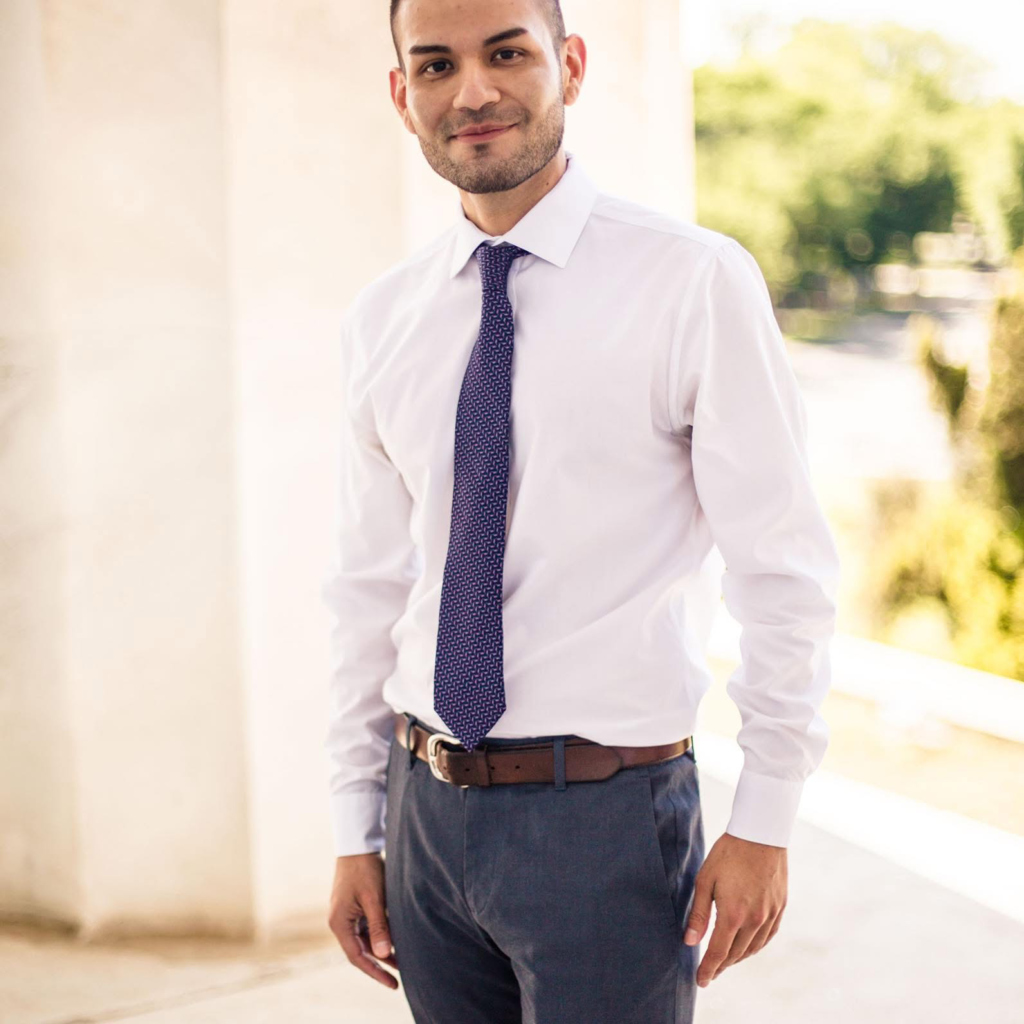 Blogger Christian Paul Leaños Quiñones is a pastoral musician, composer, and music educator whose work spans cultures and languages. He directs several multicultural choirs, teaches and composes songs across faith traditions, and believes music is not just art—it is a bridge, a form of prayer, and a way to bring God’s healing and connection to the world around him. He serves at St. Camillus Catholic Church, a multicultural parish and school, and oversees the Hispanic music ministry at the Cathedral of St. Matthew the Apostle. Christian is currently finishing his Master of Music Education (MME) degree.
Blog References
- Hammond, Zaretta. Culturally Responsive Teaching and the Brain: Promoting Authentic Engagement and Rigor Among Culturally and Linguistically Diverse Students. Thousand Oaks, CA: Corwin Press, 2015.
- El Sistema USA. (n.d.). Philosophy and Vision. Retrieved from https://elsistemausa.org